Immersive
Immersive art, serious science
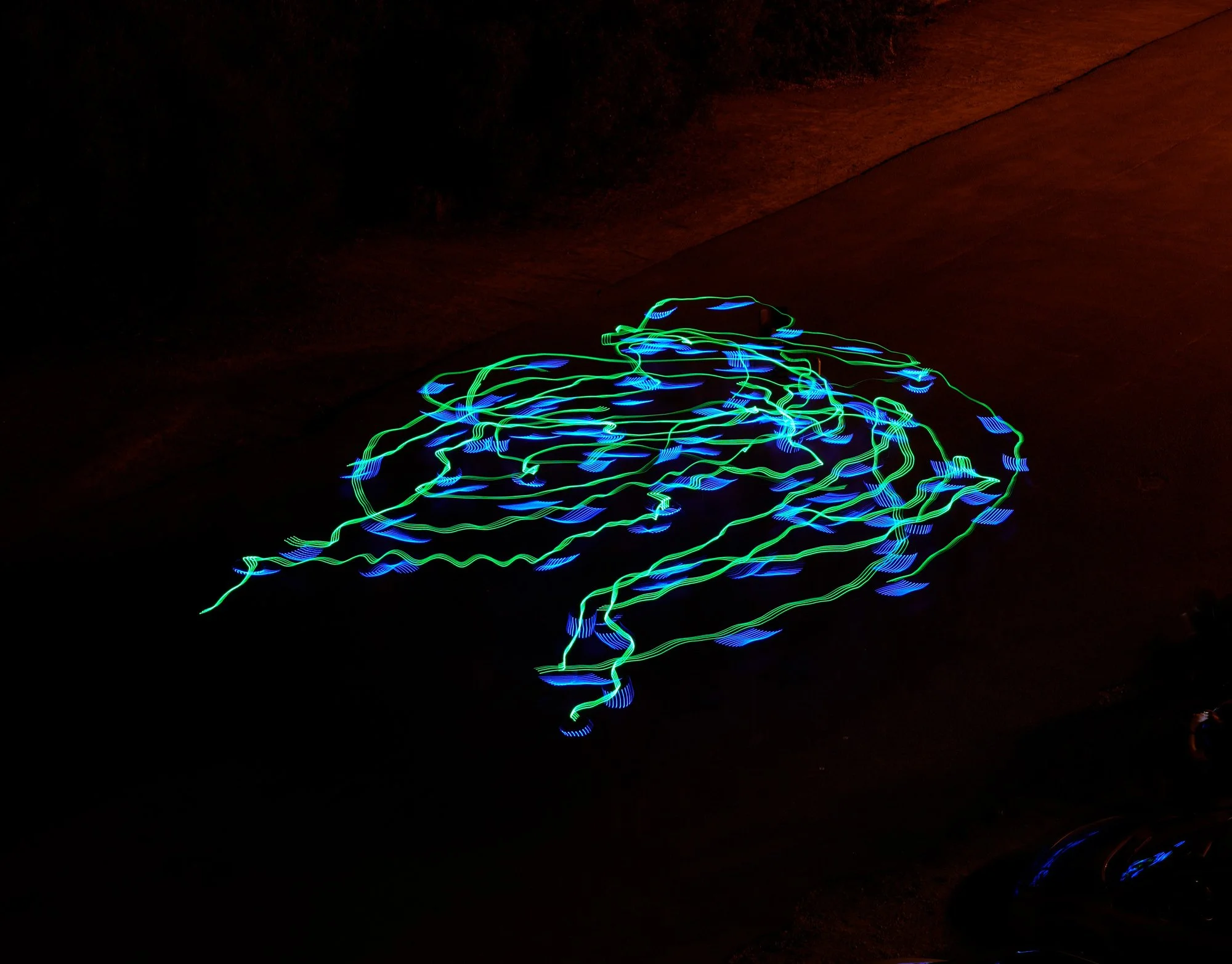
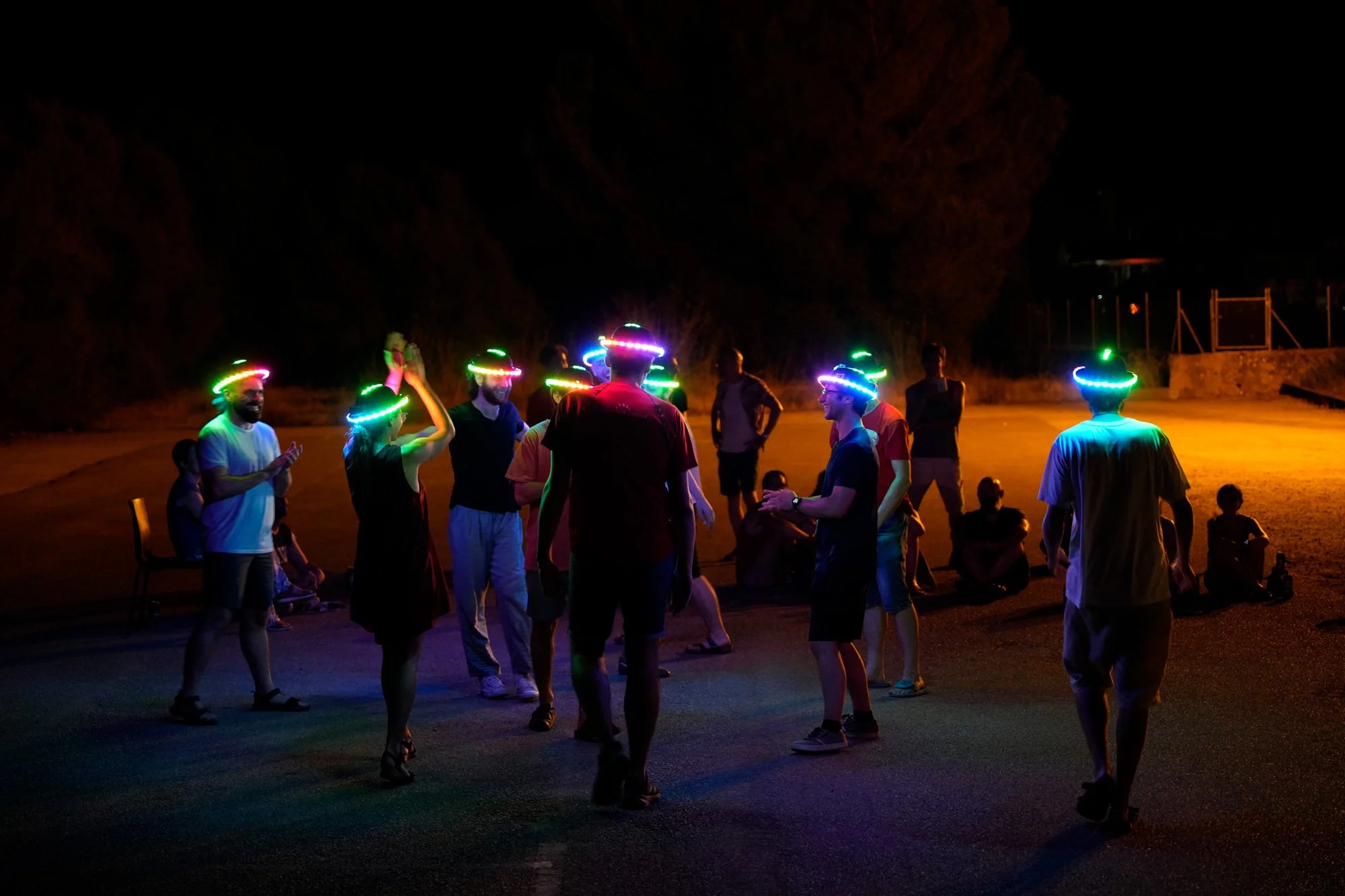
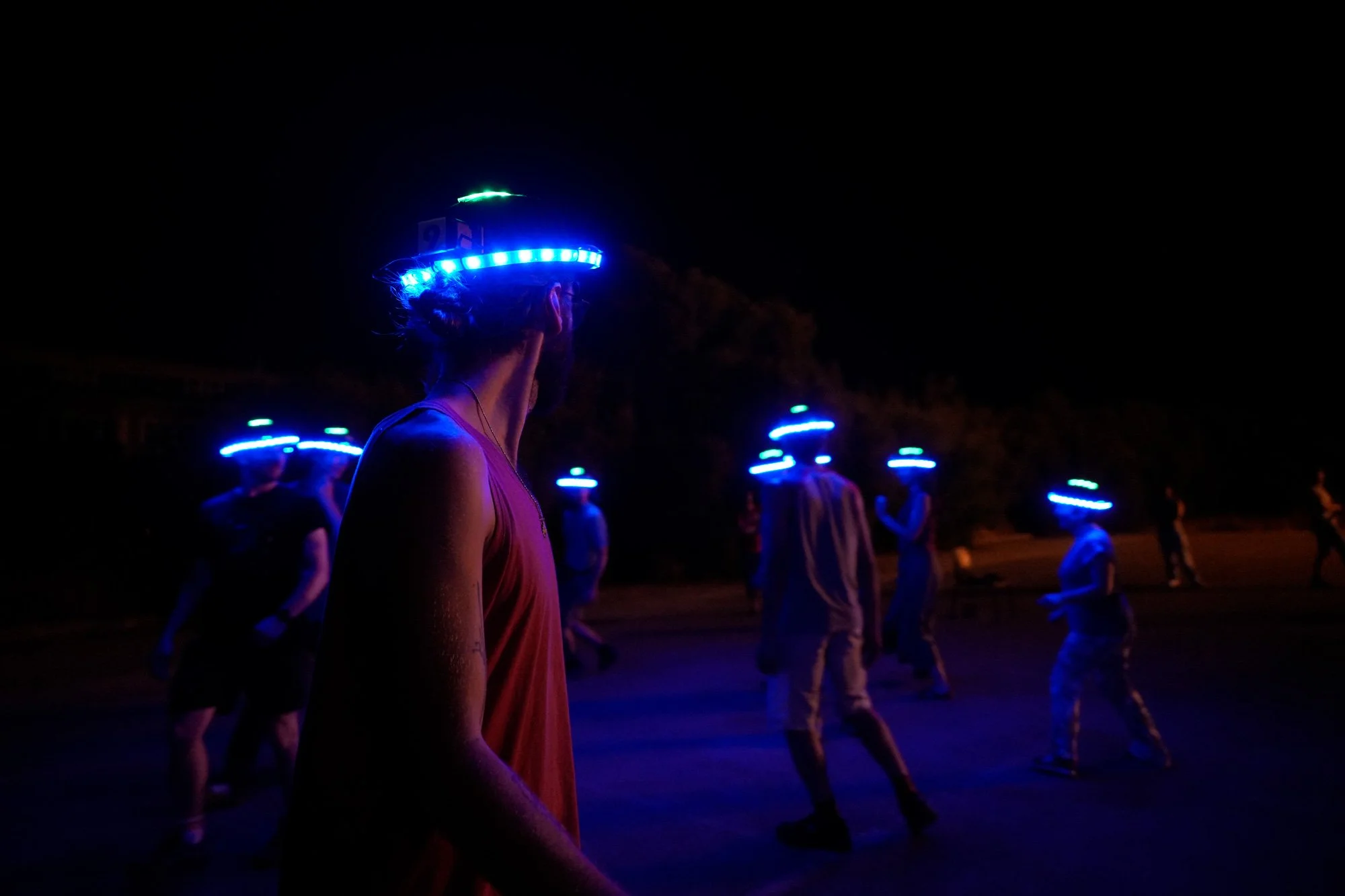
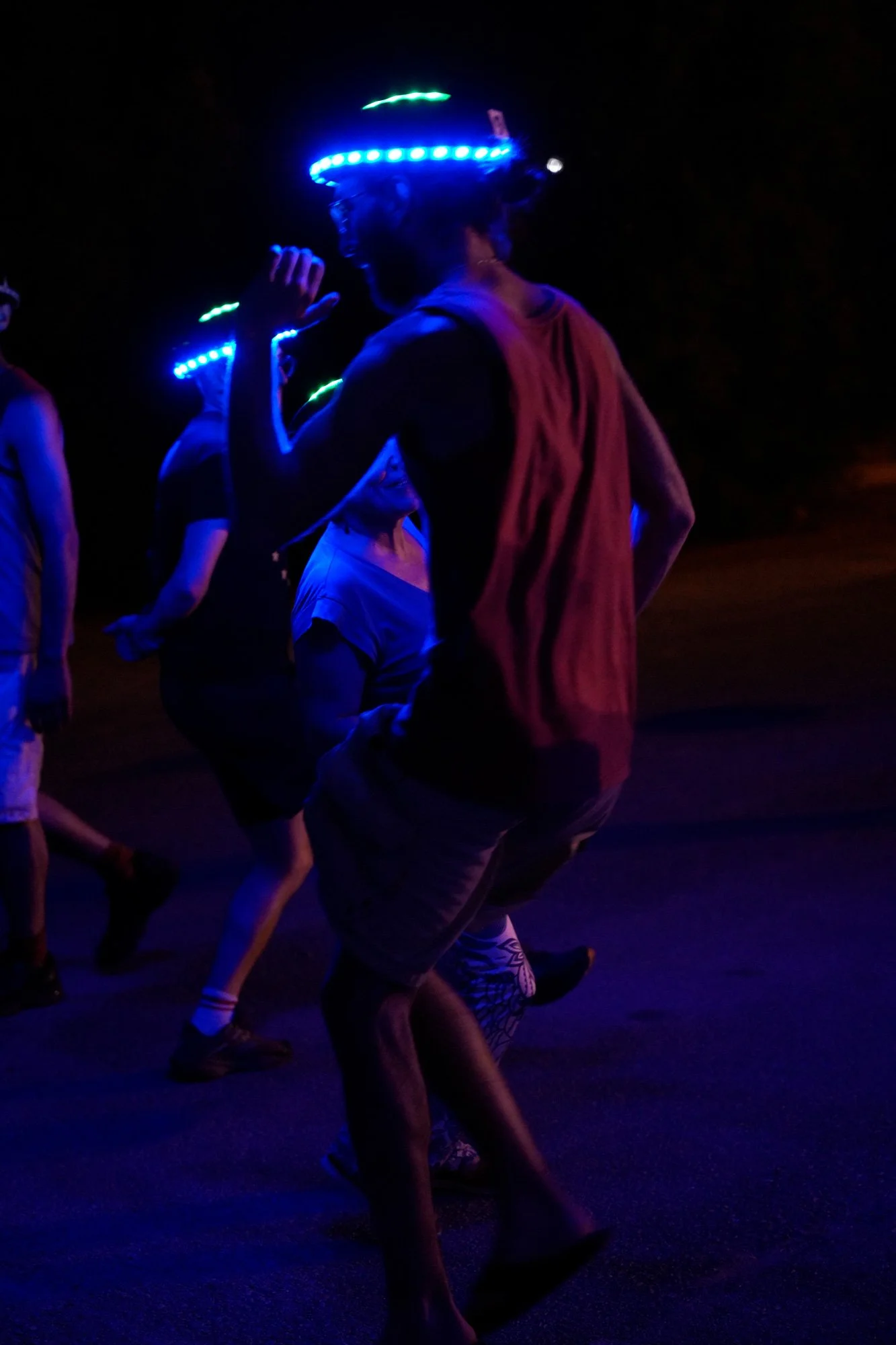
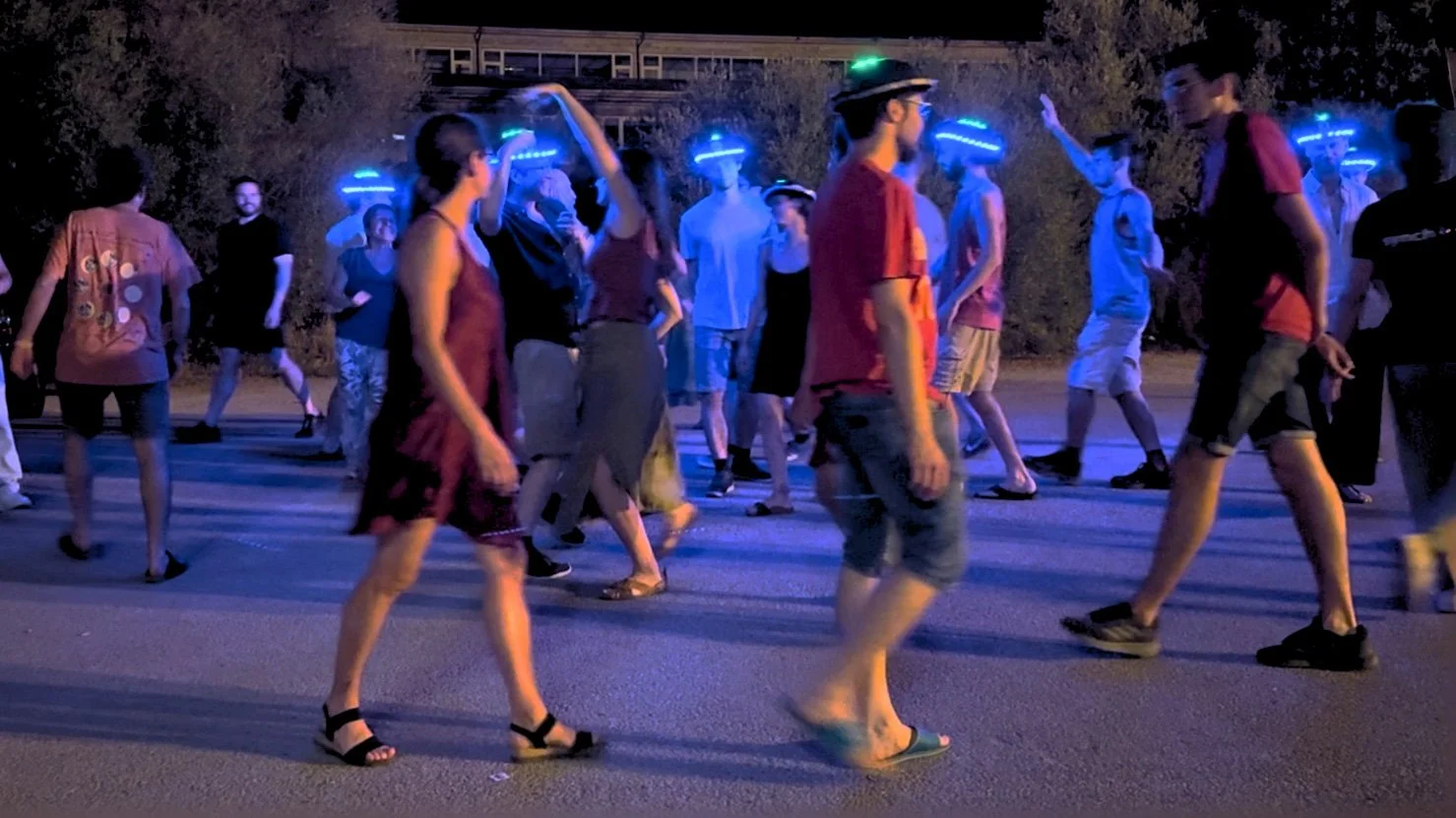
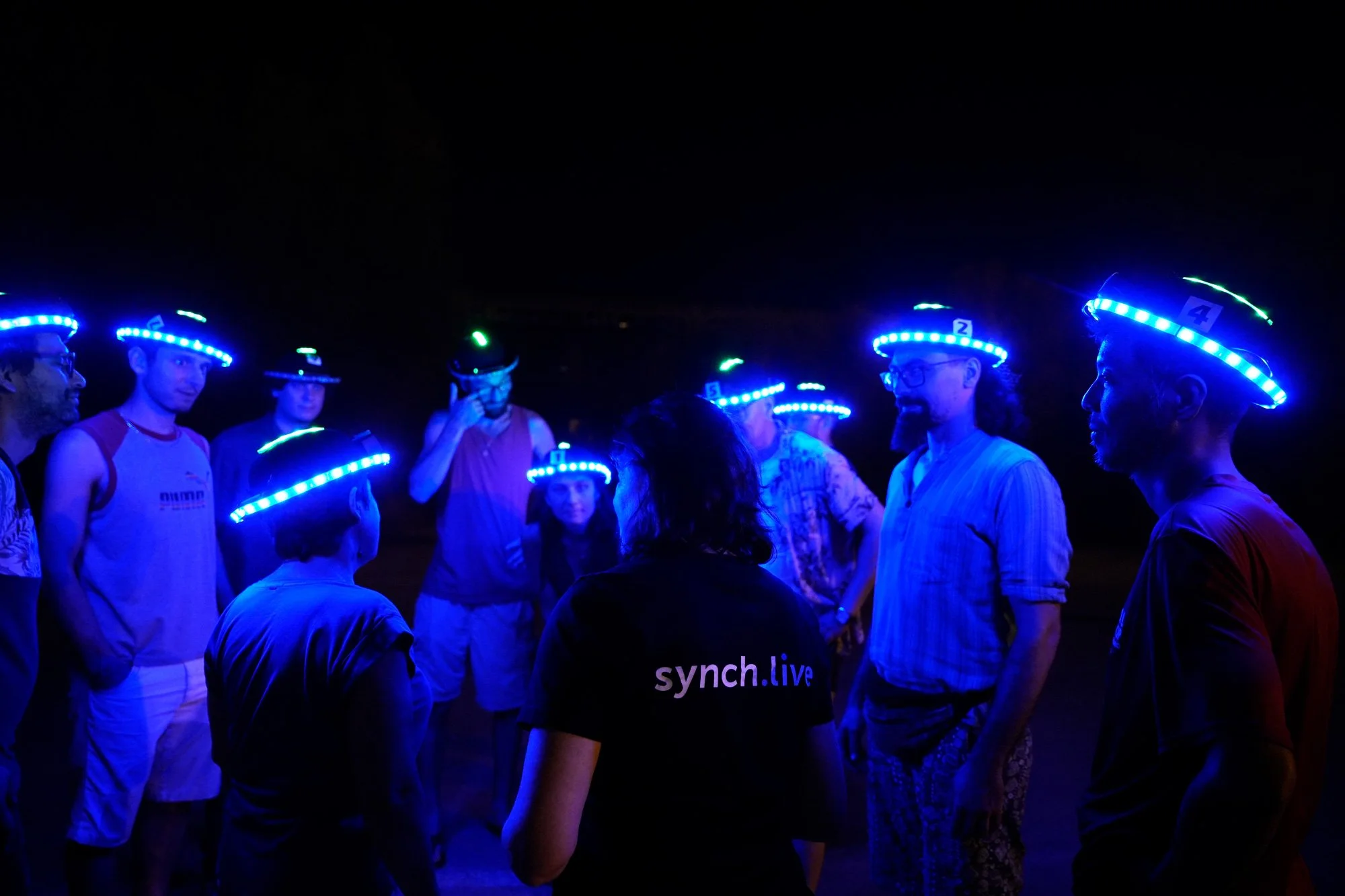
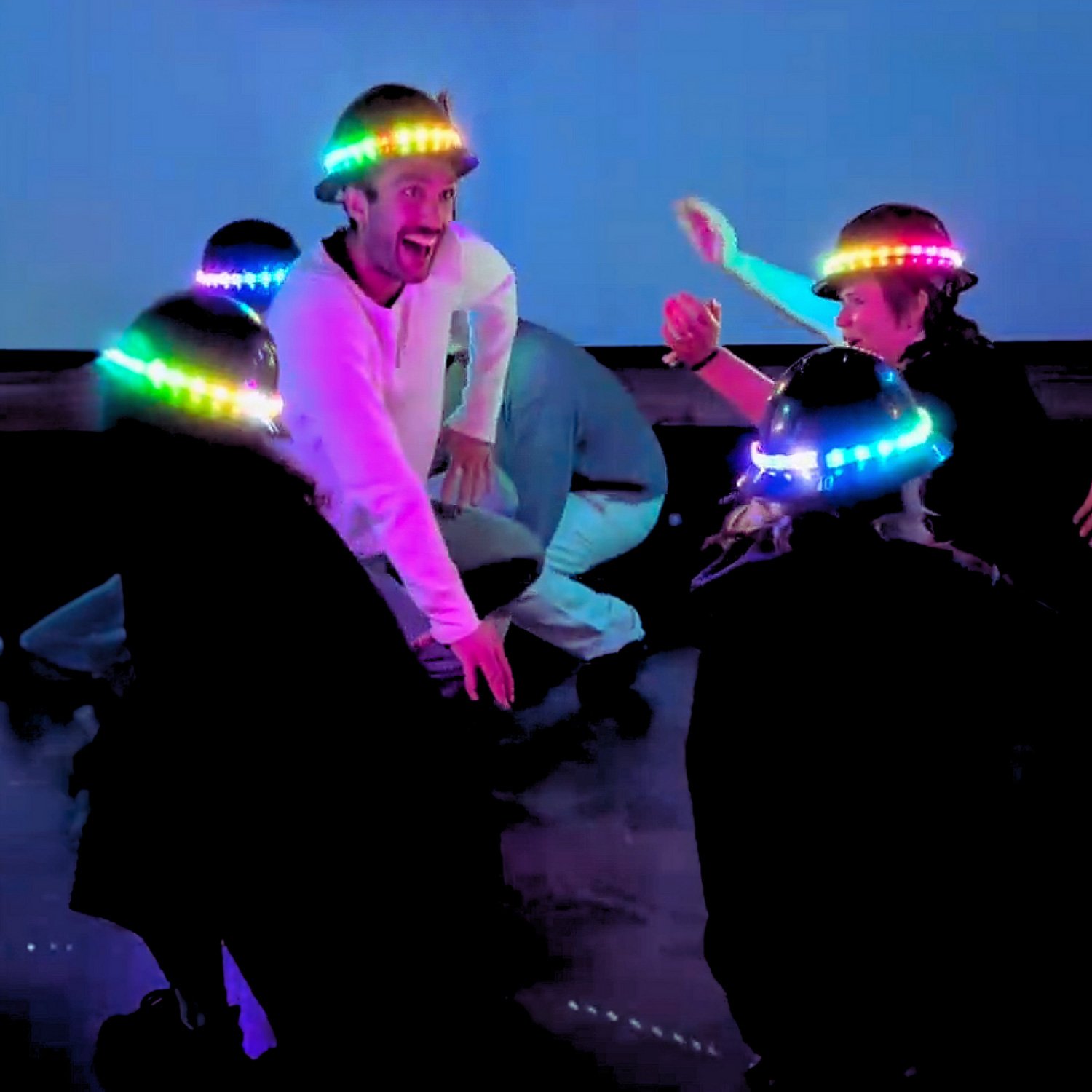
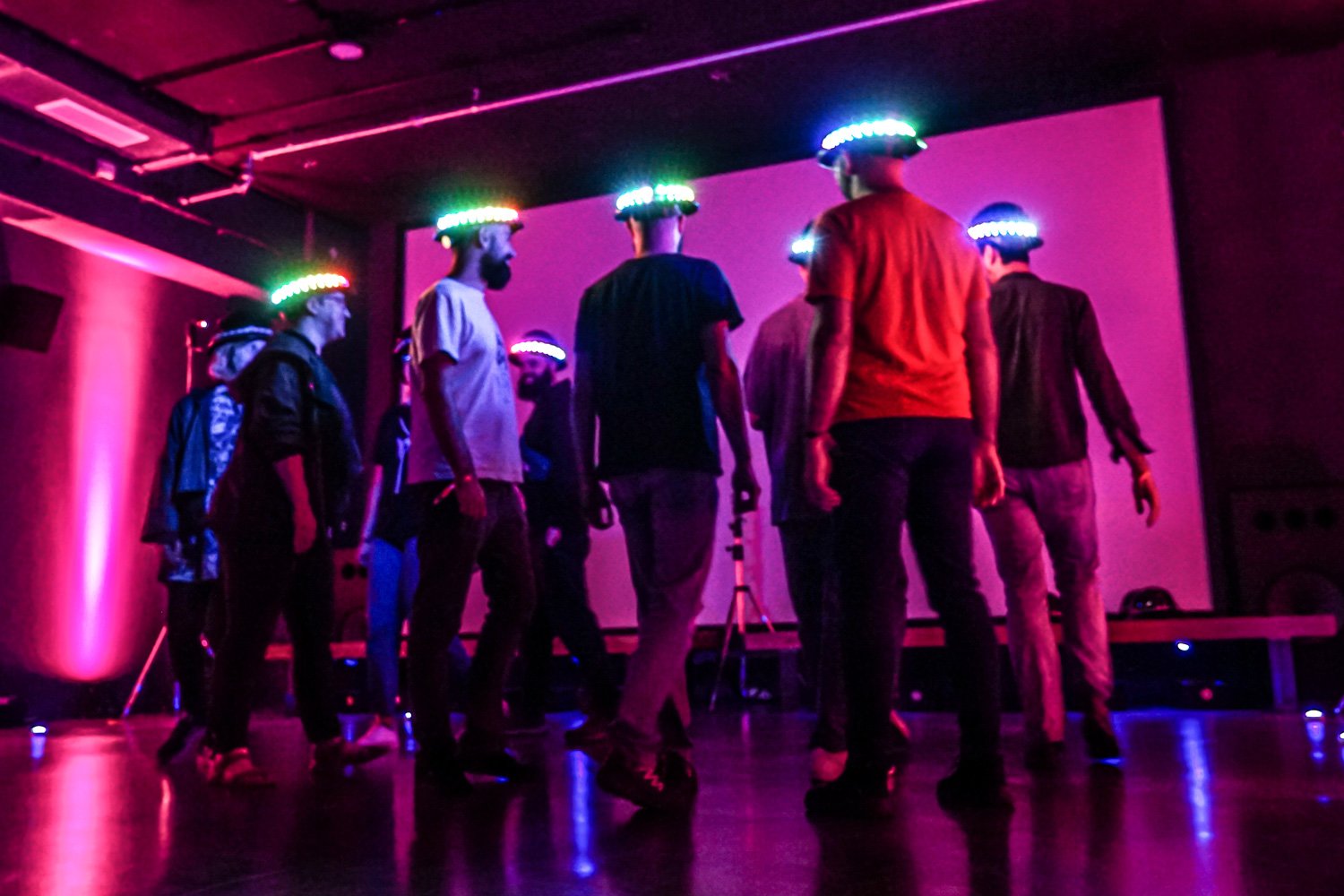
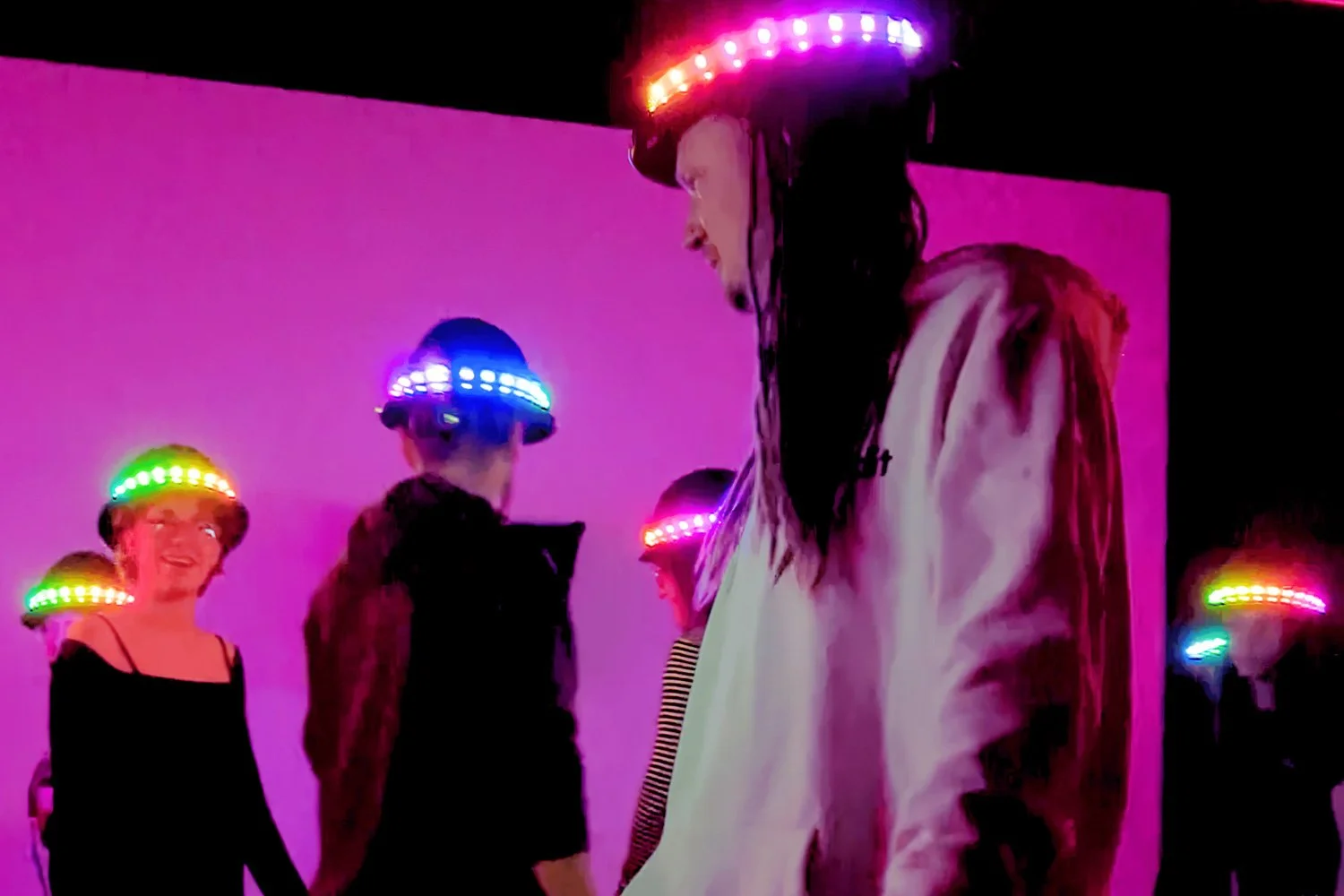
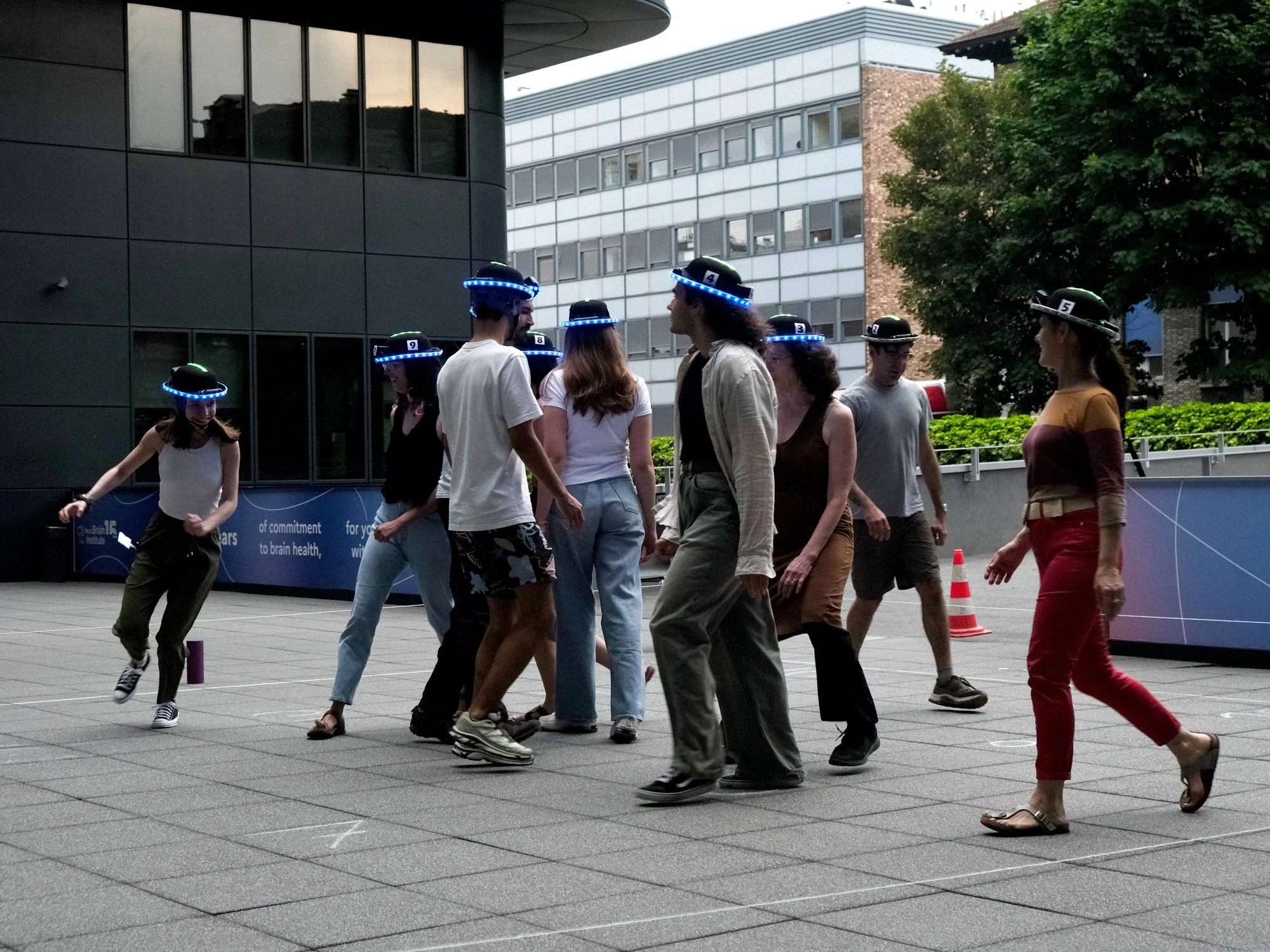
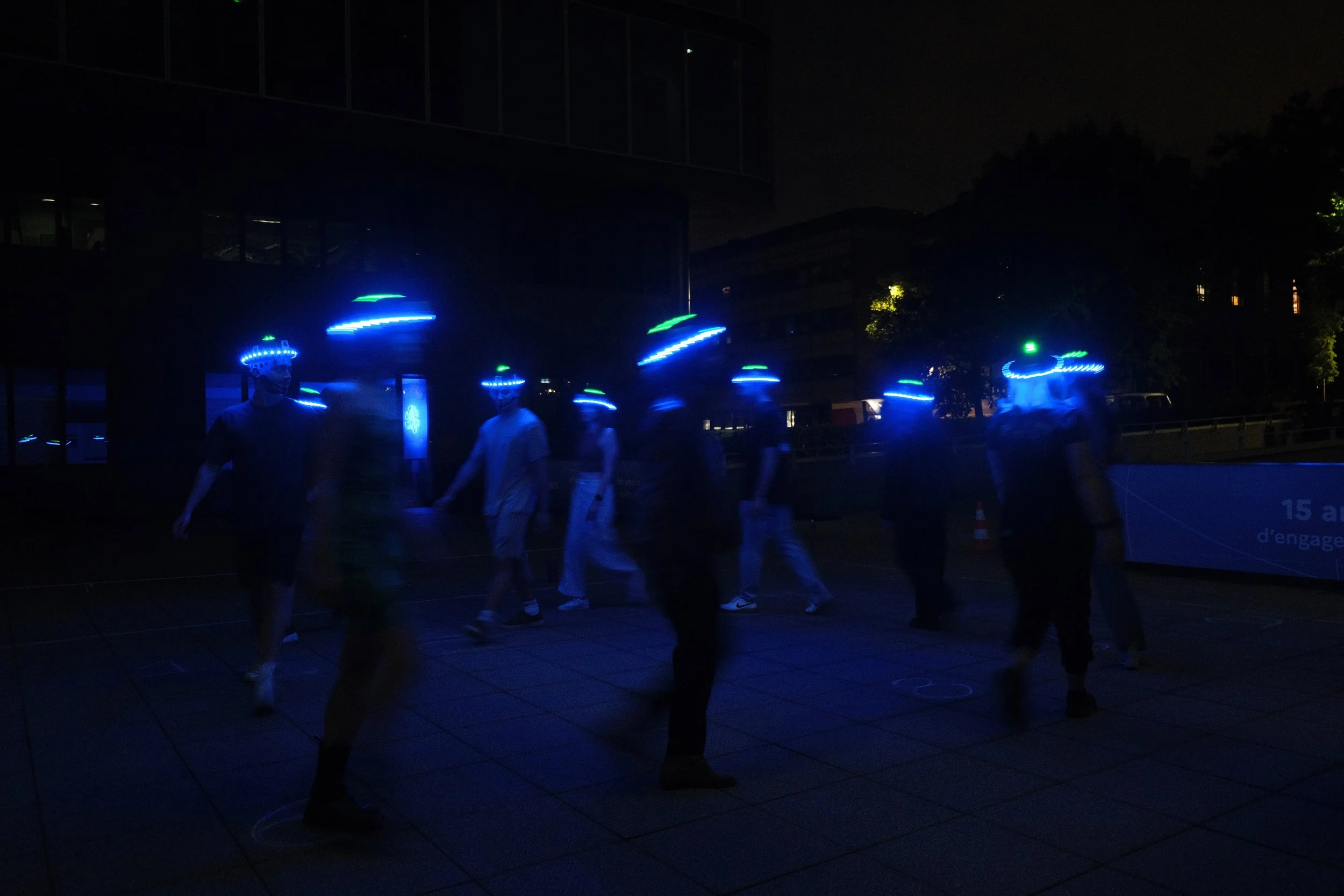
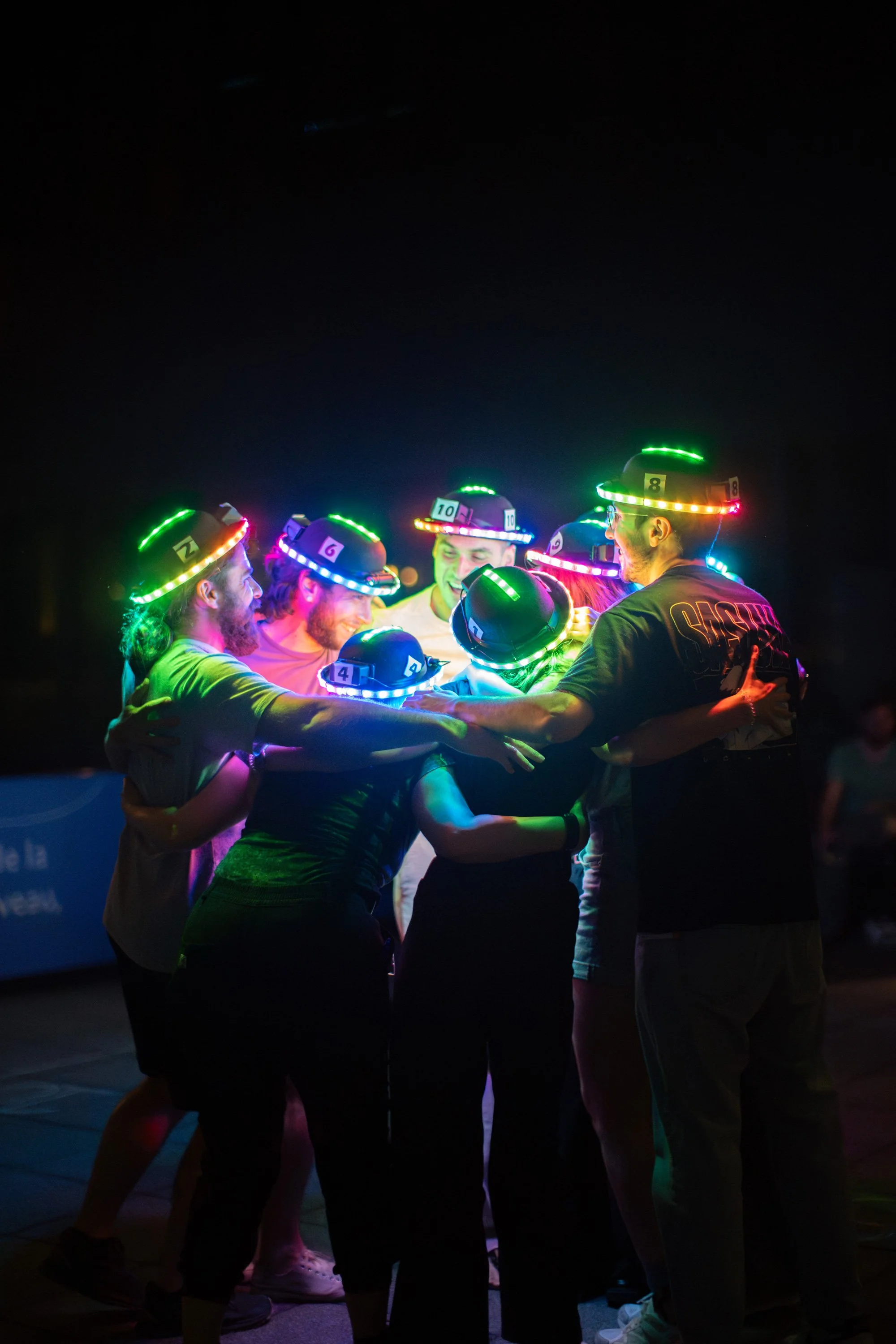
Synch.Live is an artwork designed to spark human connection in a time of profound disconnection. Groups of players enter a responsive play space wearing LED hats with the goal of synchronizing their lights. No talking. No touching. Instead, they must tune into each other, communicate without words, and self-organize into coordinated motion. A layered soundscape and dynamic lighting respond to group movement in real time, encouraging playful experimentation and collective discovery.
Through movement, sensors, and minimal tech, Synch.Live enacts a world where individual success depends on collective thriving, where groups adapt to changing conditions without losing coherence, and where collective intelligence emerges without top-down control. It's a new category of prosocial technology that uses embodied play to awaken our capacity for cooperation.
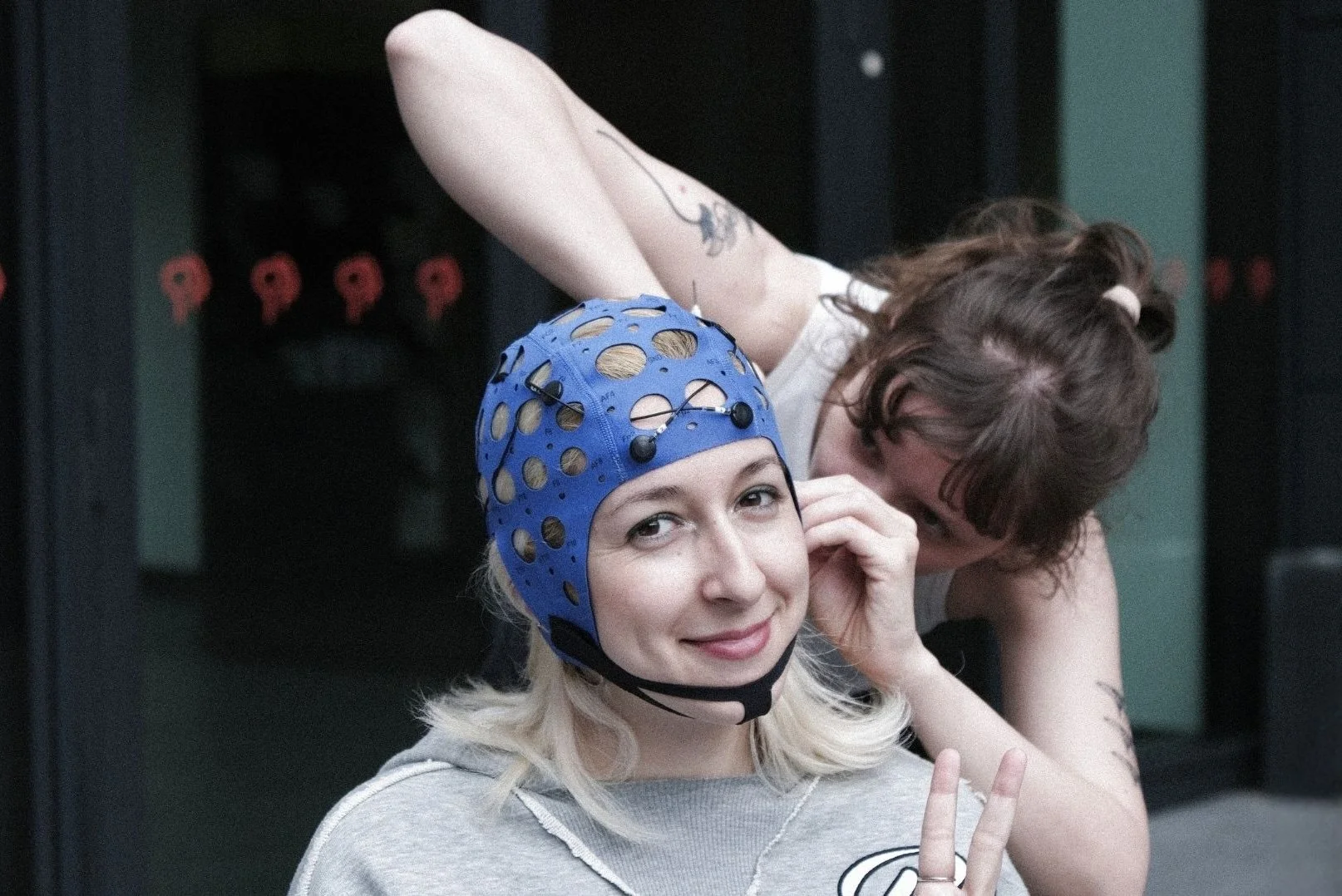
Developed with and used by collaborating neuroscientists as an experimental paradigm to study psychological, metacognitive, and well-being aspects of collective movement, Synch.Live is already advancing serious science. Our first paper demonstrates that unscripted collective movement increases feelings of connectedness and social belonging.
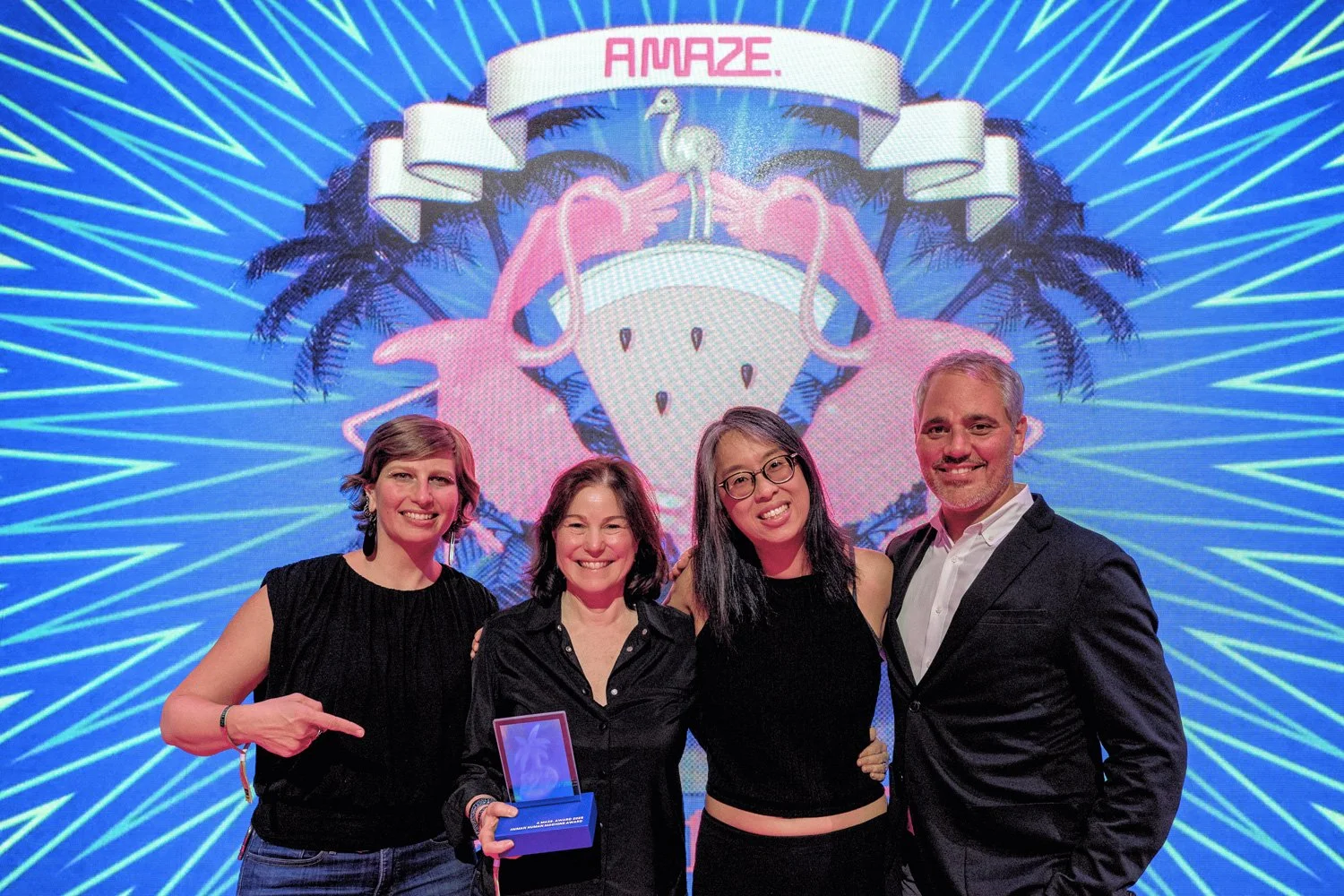
To date, we've played Synch.Live with 1,250+ people in New York, London, Los Angeles, Berlin, Paris, and Mallorca. In 2025, we premiered Synch.Live Immersive at AMAZE/Berlin and received the Human Human Machine Award for creating a work that "doesn't just include digital elements, but transforms how we use them to relate to each other."
To learn more about this project, my extraordinary collaborators, and the research Synch.Live has set into motion, visit the Synch.Live website.
A MAZE/ BERLIN, INTERNATIONAL GAMES FESTIVAL

PARIS BRAIN INSTITUTE
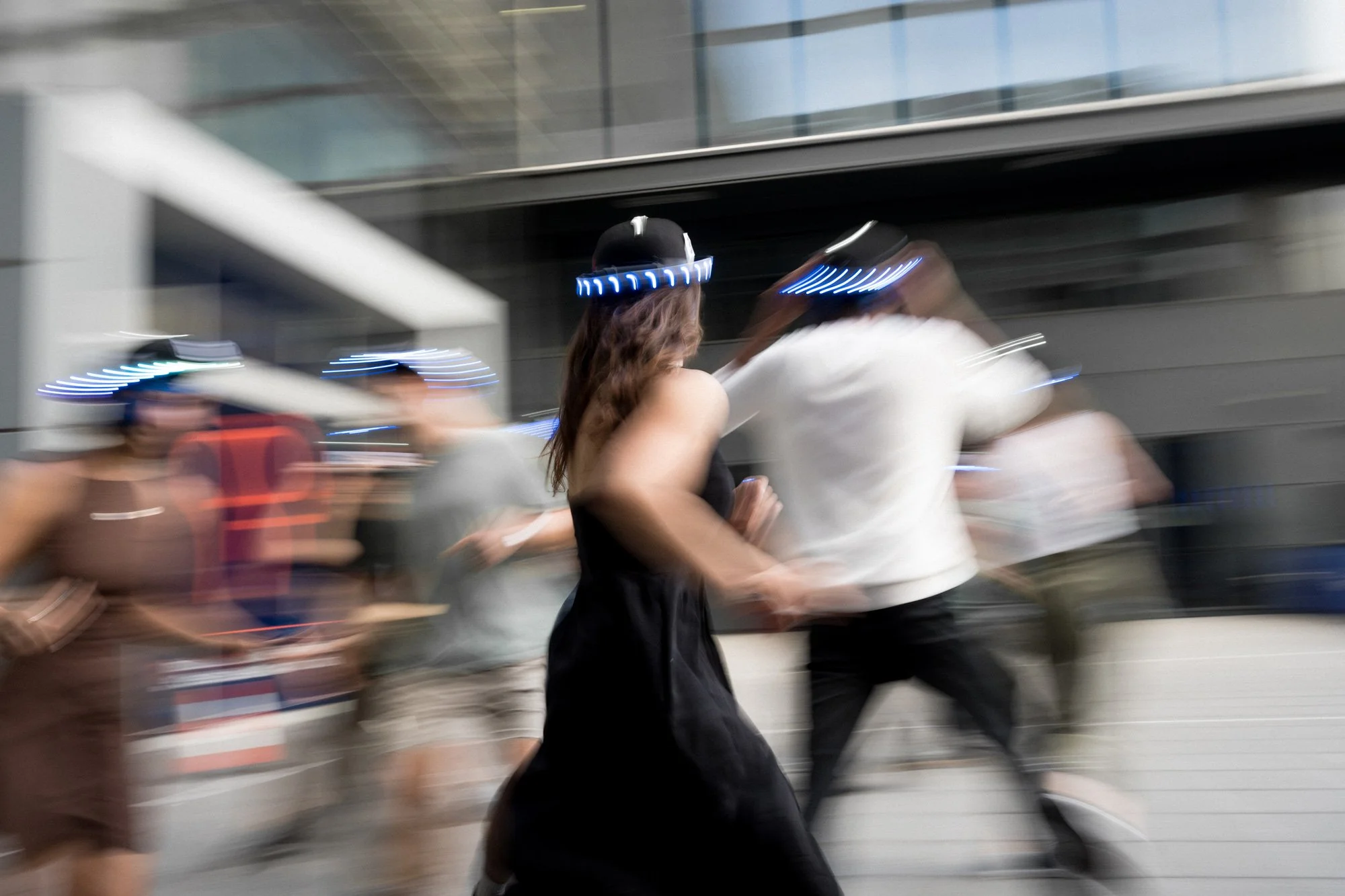
Institute for Cross-Disciplinary Physics and Complexity Science, Mallorca, Spain